


Can it be Challenging to Reach the Elusive Gen Z?

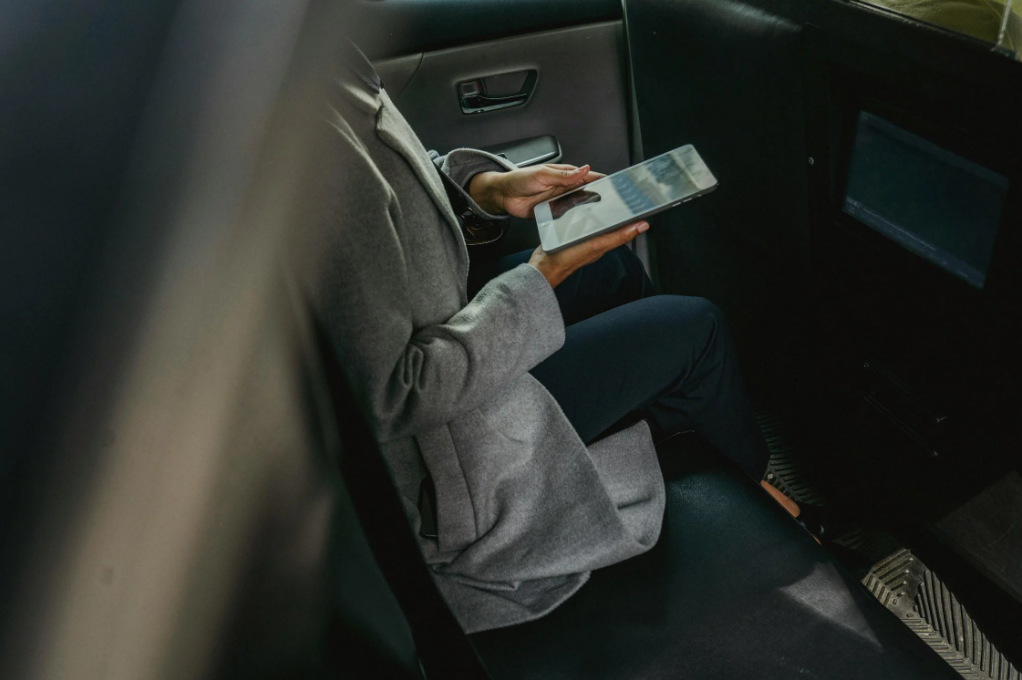
Marketers have long tried to reach Gen Z through digital channels like social media, streaming platforms, and online ads. But Lyft’s recent insights suggest that some of the most effective moments to connect with this generation may not happen on a screen at all. Instead, they happen while Gen Z is on the move in the real world. Rather than competing for attention in a crowded feed, Lyft points to a different opportunity. Gen Z is already engaged during everyday travel moments, making decisions about where they are going next and how they want to get there.
A Generation That Moves Differently
Gen Z represents a meaningful share of ride-hailing users and tends to use these services more frequently than older generations. Their behavior is shaped by lifestyle choices that lean heavily toward social activity rather than traditional commuting. Many in this generation rely on ride-hailing for going out with friends, attending events, or grabbing food late at night. A lot of them also started using these services early, often in high school or college, through shared or family accounts, and have continued that behavior into adulthood. Another key factor is that Gen Z is less likely to own a driver’s license compared to previous generations at the same age, which naturally increases their reliance on ride-hailing as a primary way to get around.
Late Nights, Weekends, and Social Travel
Their travel patterns also stand out. A large portion of Gen Z rides happen during late-night hours, and weekends make up a significant share of their overall usage. This aligns with a generation that is highly social and active during evenings and off-peak times. Unlike commuters who use ride-hailing for work, Gen Z riders are often traveling for experiences. Their trips are tied to social plans, nightlife, and group outings rather than routine errands.
High Engagement in the Moment
One of the most interesting insights is how actively Gen Z engages while using ride-hailing apps. They are not just waiting for a ride. They are comparing prices, checking arrival times, and tracking routes in real time. These in-app moments create what Lyft describes as high attention environments. Riders are not rushed or distracted, which makes them more receptive to relevant content and messaging. This is reflected in strong engagement behaviors such as high video completion rates and frequent interaction with in-app notifications and offers.
What Gets Gen Z to Respond
Gen Z tends to ignore generic advertising, but they do respond when content feels timely, useful, or entertaining. Promotions and discounts are especially effective, particularly among female riders who show stronger responsiveness to value-driven messaging. Engagement is most noticeable in large cities and college-heavy markets such as Los Angeles, Boston, and Chicago. These environments combine dense social activity with frequent transportation needs, making ride decisions more dynamic.
Cate Bender, the author, is Project Coordinator of Marketing Keys