


How Consolidation Is Impacting the Streaming Business

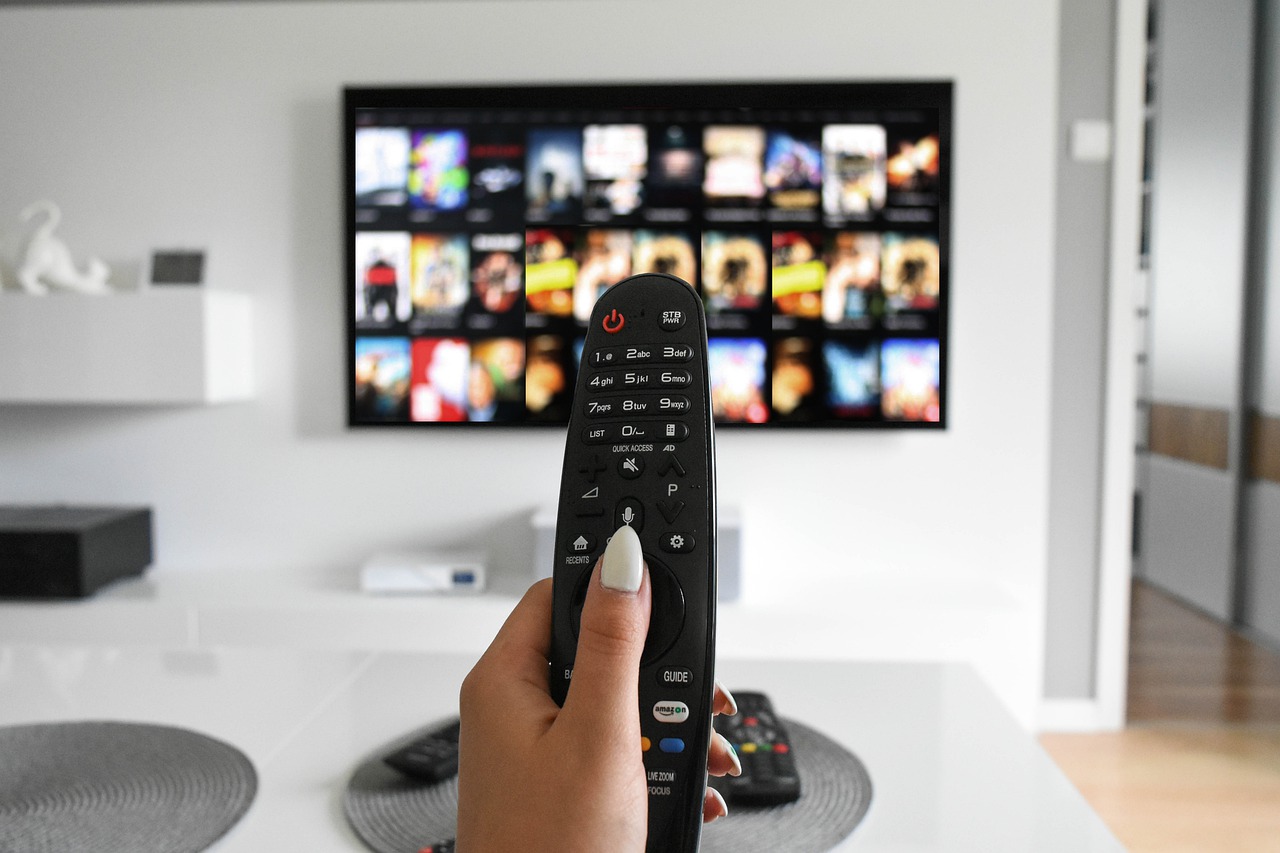
For years, media companies focused on competing through popular TV shows, movies, and streaming services. Today, the competition has shifted. Success is no longer determined only by the content a company owns. Instead, many businesses are investing in the technology that viewers see first when they turn on their televisions. Smart TV operating systems have become one of the most valuable assets in the media and advertising industries. These platforms decide which apps, recommendations, and advertisements appear on the home screen, allowing companies to capture viewers' attention before they even choose something to watch.
Why Companies Are Investing in Smart TV Platforms
Recent acquisitions demonstrate how valuable these operating systems have become. Companies such as Fox, Walmart, Amazon, Google, Samsung, and LG have all expanded their investments in connected TV technology. The goal is not simply to sell more televisions or launch additional streaming services. Instead, these companies are looking for greater access to consumer data. Understanding what people watch, when they watch it, and how they engage with content allows advertisers to create more personalized campaigns while giving brands better insights into campaign performance.
Retailers are also recognizing the value of this information. Walmart's investment in Vizio, for example, gives the company new opportunities to connect viewing habits with shopping behavior. This allows advertisers to deliver more relevant messaging across both digital and retail channels.
A Changing Advertising Landscape
The advertising industry is evolving along with these investments. Some companies that once focused only on buying or selling advertising space are now building their own connected TV platforms and expanding their role in the television ecosystem. As more companies own multiple parts of the advertising process, including the operating system, audience data, advertising technology, and measurement tools, they can create a more streamlined experience for advertisers. This can improve targeting, simplify media buying, and provide stronger performance insights.
What It Means Going Forward
This growing consolidation offers both opportunities and challenges. Advertisers can reach audiences more effectively, and consumers may receive recommendations and advertisements that better match their interests. At the same time, fewer companies are controlling a larger portion of the television experience, including what viewers discover and the data collected while they watch. The future of television advertising is becoming less about producing content and more about controlling the platform where viewers begin their experience. As companies continue investing in connected TV technology, the television home screen is becoming one of the most valuable spaces in digital advertising. The companies that own that first interaction will have a significant influence on how audiences discover content and how brands connect with consumers.
Cate Bender, the author, is Project Coordinator of Marketing Keys