


When Is the Right Time for a Brand Refresh?

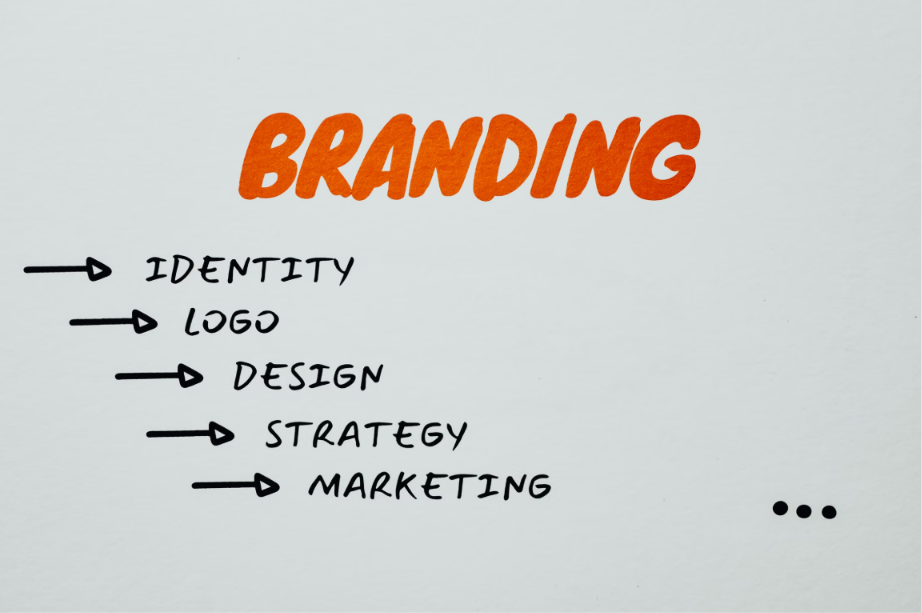
Every brand goes through periods when its marketing efforts become less effective. Maybe sales have slowed, competitors are attracting more attention, or customers simply aren't connecting with the messaging like they used to. These challenges can signal that it's time to reevaluate your brand. However, a refresh shouldn't automatically mean creating a new logo, changing advertisements or updating your website. Before making visual changes, businesses need to understand what their brand represents and why customers should choose them over the competition.
Establishing a Clear Brand Identity
A brand's positioning should be established early on. Businesses need to identify the main idea they want consumers to associate with their products or services. While there may be several qualities worth promoting, such as affordability, convenience, quality or sustainability, trying to communicate everything at once can weaken the message. Instead, brands should focus on the benefit that matters most to their customers and gives them a compelling reason to make a purchase.
Responding to Declining Business Performance
Slowing sales or declining business performance can also be a reason to revisit brand positioning. If customers aren't responding to the existing message, it may be time to reconsider what the brand promises. Dude Wipes, for example, moved beyond promoting freshness and began emphasizing its ability to clean more effectively than traditional toilet paper. This gave consumers a more specific reason to consider the product.
Standing Out from the Competition
Another warning sign is when competitors begin making the same claims. A message that once helped a brand stand out can lose its impact when similar promises become common throughout the industry. Pantene experienced this with its focus on healthy hair. By refining its positioning to connect healthy hair with a more beautiful appearance, the brand created a stronger distinction in a crowded market.
Adapting to Changing Industry Trends
Changes within an industry can create similar challenges. When businesses start following the same trends or emphasizing identical benefits, it becomes harder for consumers to tell them apart. For example, restaurants that all focus on discounts and low prices risk losing their individual identities. Instead of abandoning their original brand personality, businesses should find ways to incorporate new customer priorities while maintaining what makes them recognizable.
Maintaining Brand Consistency Through Leadership Changes
Leadership changes can also affect a brand's direction. New management may introduce different messaging without fully understanding the reasons customers connected with the brand in the first place. Before making major changes, businesses should consider which existing qualities are worth protecting. Moving away from a successful position without a clear strategy can create confusion rather than growth.
Refreshing an Outdated Brand Image
Finally, an outdated brand image can make it difficult to connect with modern consumers. Customer expectations change, and messaging that once worked may no longer feel relevant. Olay addressed this challenge by shifting its messaging toward a more specific product benefit: moisture. This gave consumers a clearer understanding of what differentiated its products.
Cate Bender, the author, is Project Coordinator of Marketing Keys