


Will ChatGPT Become the Next Biggest Ad Platform?

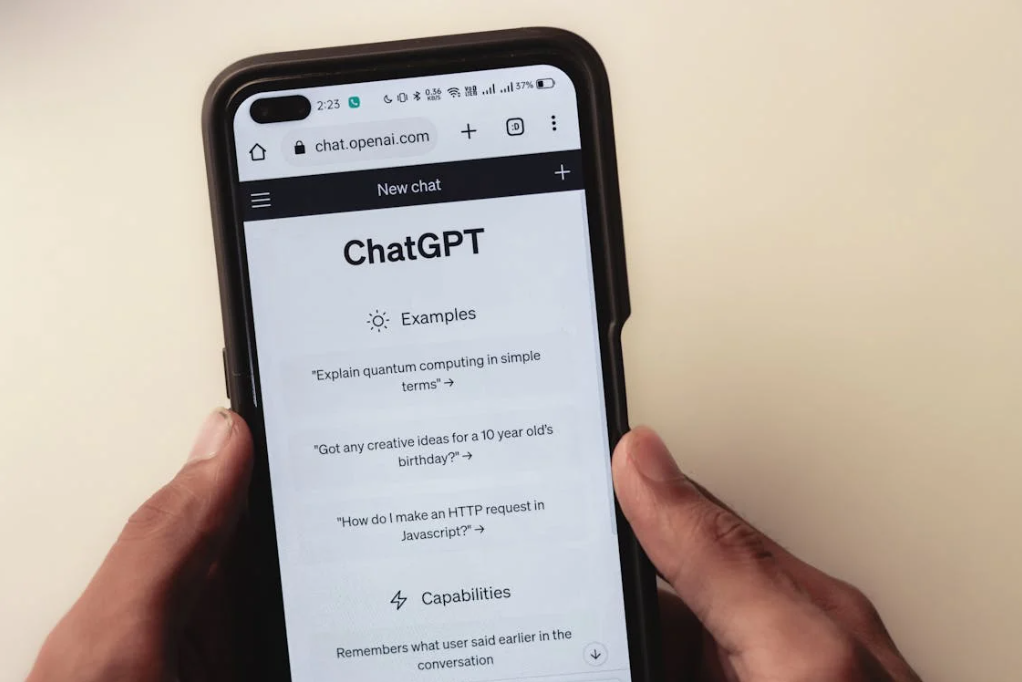
OpenAI has begun testing ads within ChatGPT, targeting users who are not logged in to the platform. This move opens up new opportunities for brands, but it also introduces a different kind of ad experience. Instead of traditional display placements or search ads, these ads appear within conversations. As a result, they can feel more natural, but also easier to overlook.
Early Challenges for Advertisers
Initial feedback from advertisers suggests that the platform is still working through some limitations. Some brands have found it difficult to see strong results due to low ad frequency and limited inventory. To make participation more realistic, OpenAI reportedly reduced the minimum spend required for campaigns. Even so, the reach is still relatively small, which can make it harder for marketers to evaluate performance and justify larger budgets.
Rethinking Traditional Metrics
Advertising in a conversational setting raises important questions about measurement. Metrics like cost per click and cost per thousand impressions have long been industry standards, but they may not fully capture how users interact with ads in ChatGPT. Conversations are more fluid than search queries, and user intent is not always as clear. Because of this, future pricing models could shift toward engagement quality, contextual relevance, or overall usefulness instead of simple clicks or views.
A Different Approach Behind the Scenes
Another key difference is how advertising is managed behind the platform. ChatGPT itself does not track or identify which ads are being served to users. Instead, that information is expected to live in separate systems designed for advertisers. This setup helps preserve a sense of neutrality within the chatbot while still giving brands access to performance data through external tools like dashboards and reporting platforms.
What Comes Next?
As ChatGPT’s advertising capabilities develop, brands can expect more advanced targeting and improved ad formats. The biggest changes, however, may happen outside the conversation itself. The tools and data available to advertisers will likely shape how effective the platform becomes. If conversational AI can better understand user needs compared to traditional search, it could lead to entirely new ways of pricing and delivering ads. The real test will be whether this model delivers stronger results than existing channels. If it does, ChatGPT could become more than just another advertising option. It could reshape how brands connect with their audiences.
Cate Bender, the author, is Project Coordinator of Marketing Keys